What is Menstruation Psychiatry? A Comprehensive Guide

What Is Menstruation Psychiatry?
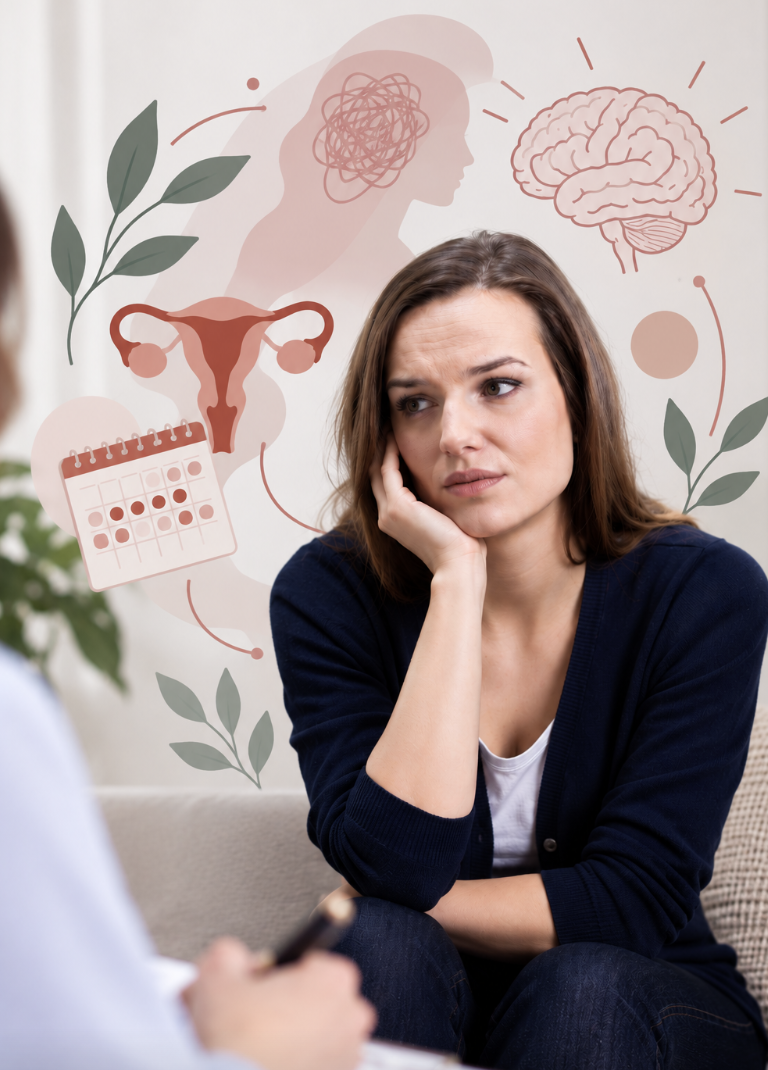
Menstruation psychiatry examines how menstrual-cycle changes may affect mental health and existing psychiatric conditions. A psychiatrist may consider several factors when assessing symptoms:
Timing within the menstrual cycle
Changes in symptom severity
Effects on daily functioning
Timing Within the Menstrual Cycle
Hormone levels naturally shift throughout the menstrual cycle. Some people experience noticeable emotional changes during specific phases. Tracking when symptoms appear can reveal whether they follow a recurring monthly pattern.
Changes in Symptom Severity
Menstrual changes don't always cause a separate condition. Existing depression or anxiety may become more severe during certain cycle phases. Psychiatric care for women can account for these patterns when evaluating symptoms and choosing treatment.
Effects on Daily Functioning
Clinicians also consider how strongly symptoms affect everyday life. Mild irritability may require different care than severe mood changes that disrupt work or relationships.
Sleep problems and difficulty concentrating can also affect functioning. Evaluating their timing and impact can clarify whether menstrual changes may be contributing.
How Can the Menstrual Cycle Affect Mental Health?
Hormone levels change throughout the menstrual cycle, and some people are more sensitive to these shifts. Understanding menstrual cycle effects often requires looking at three connected factors:
Hormone fluctuations
Brain responses
Symptom timing
Hormone Fluctuations
Estrogen and progesterone rise and fall at different points during the menstrual cycle. These hormones interact with brain systems involved in emotional regulation. Changes may influence mental health during periods for people who are particularly sensitive to hormonal shifts.
Brain Responses
Hormonal changes don't affect everyone in the same way. Some people experience little emotional difference across their cycle.
Others notice stronger anxiety or irritability during certain phases. Researchers believe individual sensitivity to normal hormone changes may partly explain these differences.
Symptom Timing
Emotional symptoms often become more noticeable during the luteal phase. This phase occurs after ovulation and before menstruation begins. Symptoms may then improve shortly after a period starts.
Timing can reveal whether mood changes follow a consistent pattern. Daily tracking across several cycles can make that pattern easier to identify.
Clinicians can also compare symptom severity with changes in everyday functioning. Significant disruptions to work or relationships may warrant closer evaluation.
When Do Menstrual Mood Changes Become a Psychiatric Concern?
Mood changes around a period don't always point to a psychiatric condition. The severity and timing of symptoms can reveal when closer evaluation may be useful:
Daily life disruption
PMDD symptoms
Premenstrual exacerbation
Daily Life Disruption
Occasional irritability or sadness may occur without seriously affecting daily life. Concern increases when symptoms regularly disrupt work or strain relationships.
Severe anxiety or depression may also make ordinary responsibilities difficult. Tracking hormonal changes and mood can show whether these problems follow a predictable monthly pattern.
PMDD Symptoms
Premenstrual dysphoric disorder, or PMDD, causes severe emotional symptoms during the premenstrual phase. Symptoms typically improve shortly after menstruation begins.
PMDD differs from common premenstrual symptoms through its severity and effect on daily functioning. Clinicians often use daily symptom records across multiple cycles when evaluating possible PMDD.
Premenstrual Exacerbation
An existing psychiatric condition can also worsen before menstruation. This pattern is called premenstrual exacerbation. Unlike PMDD, symptoms may remain present throughout the month but intensify during a specific cycle phase.
How Is Menstruation-Related Psychiatric Care Evaluated and Treated?
A psychiatrist may ask you to record symptoms every day across several menstrual cycles. Daily records can reveal patterns that memory alone may miss.
Your doctor may also review your psychiatric history and current medications. This information can help distinguish PMDD from depression or another condition that worsens before menstruation.
Medication or Hormonal Treatment
Medication may reduce severe symptoms for some patients. Selective serotonin reuptake inhibitors, or SSRIs, are commonly used to treat PMDD.
A doctor may recommend taking them continuously or during part of the cycle. Hormonal treatment is another option in certain cases. Treatment choices depend on your symptoms, health history, and reproductive needs.
Therapy and Daily Habits
Therapy can teach practical ways to manage distress and recognize changes in thinking or behavior. Consistent sleep and regular exercise may also improve overall emotional health. Useful emotional well-being tips should complement medical care rather than replace treatment for severe symptoms.
Frequently Asked Questions
Can PMDD Develop Even If My Periods Are Regular?
Yes. Regular periods don't rule out PMDD because the condition relates to sensitivity to normal hormonal shifts. Doctors focus more on when emotional symptoms appear and disappear. Daily tracking for at least two cycles can reveal whether symptoms consistently occur before menstruation and improve afterward.
Can ADHD Symptoms Change Throughout the Menstrual Cycle?
Some people with ADHD report changes in attention or emotional control at different points in their cycle. Hormone fluctuations may play a role, but research is still developing.
Tracking concentration alongside cycle dates can reveal patterns worth discussing with a clinician. These menstrual cycle effects may differ greatly between individuals.
Can Menstrual Symptoms Affect Someone Who Already Takes Psychiatric Medication?
Yes. Psychiatric medication may control symptoms overall without preventing every cycle-related increase in their severity. A clinician can examine whether worsening symptoms reflect a menstrual pattern or broader treatment issue.
Help with Mental Health During Periods
Menstruation psychiatry connects cycle patterns with mental health care, giving clinicians useful information for developing treatment based on each person's specific needs.
At Dr. JP Psychiatry and Obesity Medicine, we provide private, personalized psychiatric care grounded in evidence-based medicine and genuine human connection. Our board-certified Virginia Beach psychiatrist who is also fellowship trained in child and adolescent psychiatry, takes time to understand each patient's story and develop treatment around individual goals. Unlike one-size-fits-all care, we combine clinical precision with an empathetic, holistic approach.
Get in touch today to find out how we can help with your mental health.