

What is Menstruation Psychiatry? A Comprehensive Guide
Menstruation psychiatry focuses on how menstrual-cycle hormone fluctuations can influence mood, anxiety, irritability, concentration, and existing psychiatric symptoms. Care may involve tracking symptoms across cycles, distinguishing conditions such as PMDD from other mental health concerns, and using treatments such as psychotherapy, psychiatric medication, or hormonal approaches when appropriate.
Could recurring emotional changes before your period be more significant than ordinary PMS? A 2024 systematic review and meta-analysis found that about 3.2% of women met criteria for confirmed premenstrual dysphoric disorder (PMDD), while 7.7% met criteria for a provisional diagnosis. Understanding hormonal changes and mood can help identify whether symptoms follow a consistent cycle-related pattern.
How Pediatric Psychiatry Can Diagnose ADHD
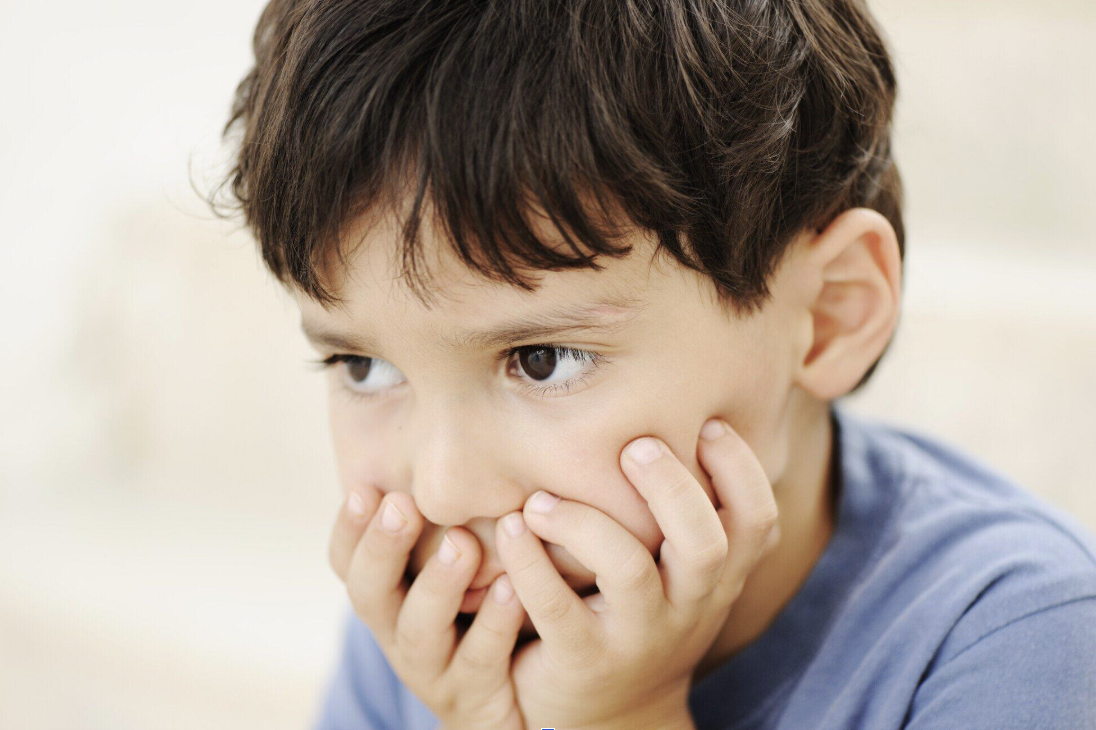
Pediatric psychiatry can diagnose ADHD by looking at a child's attention, impulsivity, activity levels, development, and daily functioning. A thorough evaluation also considers behavior at home and school, developmental and medical history, and other conditions that could cause similar symptoms. This broader approach helps determine whether ongoing difficulties fit the criteria for ADHD.
Could your child's distractibility, restlessness, or impulsive behavior be more than a temporary phase? According to the CDC, an estimated 7 million U.S. children ages 3-17 had received an ADHD diagnosis as of 2022, highlighting how common these concerns are. An accurate assessment can separate ADHD from issues such as anxiety, learning difficulties, or sleep problems.

High-Functioning Autism in Kids: Signs Parents Often Miss
High-functioning autism can be easy to miss because many kids speak well, do well in school, and seem mature. Parents should look for patterns in social stress, sensory overload, rigid routines, emotional crashes, and school struggles, not just grades or speech.
A child who seems fine at school but melts down at home may be showing signs that are easy to miss. Many parents notice their child performs well in structured settings yet struggles with emotions, social situations, or sensory overload in a safe space.
The World Health Organization estimates that autism affects about one in every 127 people worldwide. Signs can appear early but may be subtle, especially in children who are bright, verbal, or well-behaved.
A child can be capable and still need support. High-functioning autism often hides behind strong language skills, good memory, or quiet behavior.

Treatment Options for ADHD in Children: Medication vs. Therapy
Effective care for ADHD in children often begins with a careful evaluation, not a quick choice between medications, counseling, parenting training, or other theraputic interventions including diet/ lifestyle. ADHD medication can reduce core symptoms fast, while therapy, parent training, and school supports build habits that help at home and in class. Many families do best with a plan that blends both approaches along with hoslistic lifestyle modifications.
A child who cannot sit still has hyperactivity symtpoms which may be difficult to manage in school. A child who forgets homework has inattentive symptoms which may cause issues with school grades. Many children are fighting a brain-based neurological condition that affects focus, impulse control and hyperactivity, all leading to emotional dysregulations many times.
Recent meta-analyses estimate that about 5% to 8% of children and teens worldwide live with ADHD, according to Social Forces through Oxford Academic. Almost every classroom may include a student who needs more than reminders, lectures, or punishment.
Parents everywhere want one clear answer. Should their child try medication, therapy, school accommodations, or all of the above? The best path depends on age, symptoms, family goals, side effects, learning needs, and coexisting concerns like anxiety or mood changes.
Clear guidance can reduce fear. The goal is not to change a child's personality. The goal is to help the child function with more confidence, safety, and support.

Signs of Separation Anxiety in Children and Teens (And How to Help)
Separation anxiety can appear as clinginess, school refusal, sleep trouble, physical complaints, or constant fear that something bad may happen to a parent. Parents should look for patterns that disrupt school, home life, friendships, or family routines.
A child who cries at school drop-off may not be "just being difficult." A teen who texts a parent all day may not be "too attached." According to the World Health Organization, about 4.4% of people worldwide currently live with an anxiety disorder, and anxiety symptoms often begin during childhood or adolescence.
Parents often feel torn. They want to comfort their child, yet they also want their child to grow more independent.
The goal is not to shame fear. The goal is to understand it and respond with steady support.
When separation anxiety becomes intense, frequent, or disruptive, families may need more than reassurance. They may need clear guidance from a child and adolescent psychiatrist.
Are Tantrums Normal or Something More? ADHD vs ODD in Children
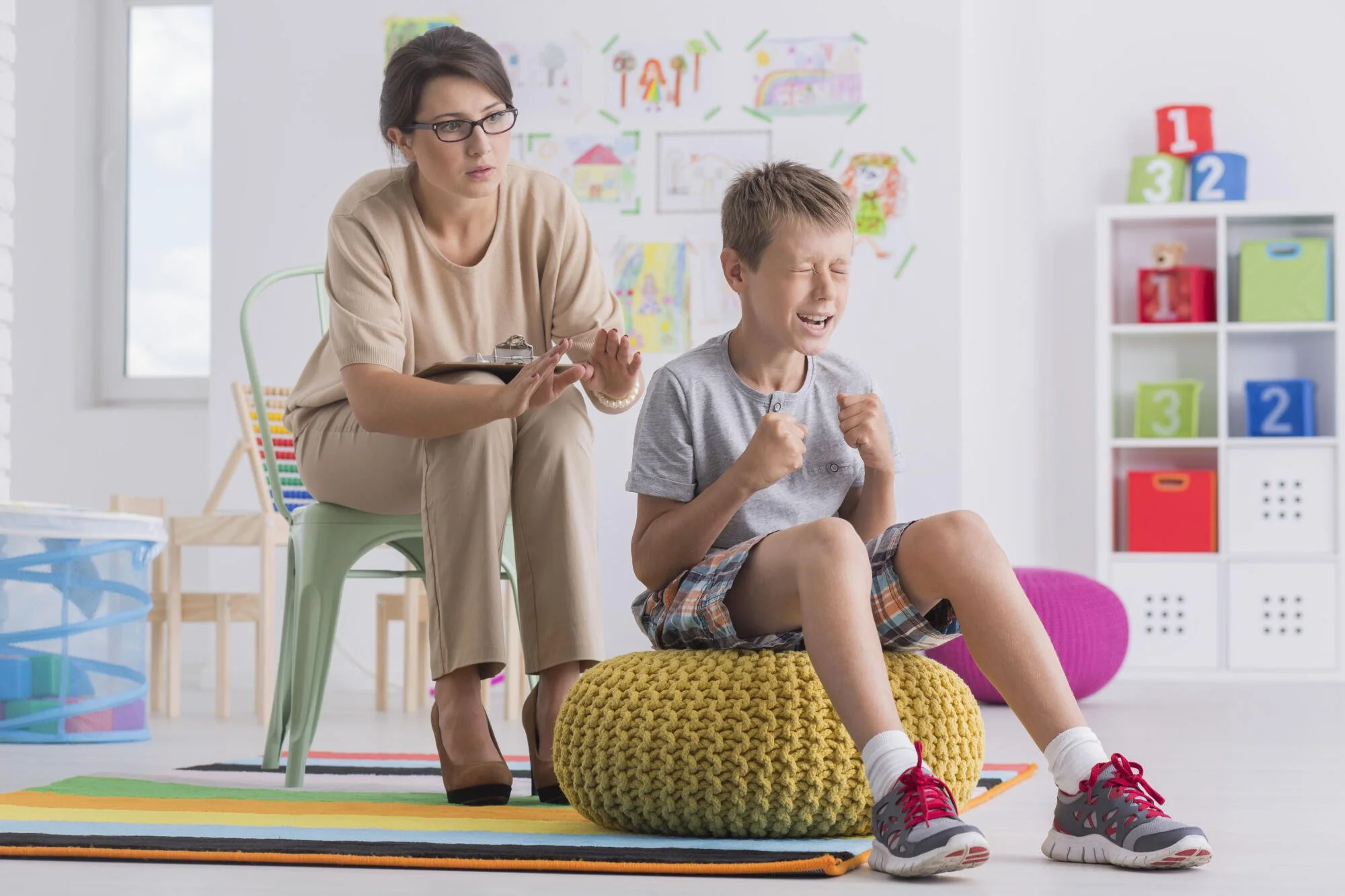
Identifying ADHD vs ODD requires looking for important signs, such as inattentiveness, hyperactivity, or purposeful opposition. Even a tantrum can help you determine which condition they have.
A systematic review from BMC Psychiatry found that approximately 30.64% of American children have a mental disorder. Your child might have one without you even knowing it.
Imagine they're in the middle of the worst tantrum ever. It might feel like wrestling a piece of meat from a baby lion. Take comfort in knowing that even these moments can give you important information about your child's mental health.

Child Psychiatry: Essential Signs You Need to Book an Appointment
Children often show clear signs when they are struggling emotionally, behaviorally, or mentally. Persistent sadness, extreme anxiety, sudden behavior changes, social withdrawal, declining school performance, and unexplained physical complaints can all signal that it may be time to schedule a child psychiatry appointment.
According to the CDC, 40 percent of U.S. high school students reported persistent feelings of sadness or hopelessness in 2023, highlighting how common emotional struggles can be among young people. Have you noticed your child acting differently and wondered whether the changes are part of growing up or something more concerning? While occasional emotional ups and downs are normal, ongoing symptoms that affect relationships, school performance, sleep, or behavior may point to a deeper mental health concern that deserves professional attention.

How to Help a Child With ADHD Focus at School and Home
Helping your child with ADHD focus starts with the right structure, consistent routines, and compassionate support. Simple, steady strategies at home and at school can improve focus and help your child feel more confident every day. Understanding how the ADHD brain works is the first step toward real, lasting change.
According to the CDC, about 7.1 million U.S. children between the ages of 3 and 17 have been diagnosed with ADHD, roughly 1 in 9 kids. Of those, 2 in 5 (44.4%, or 2.8 million) received behavioral treatment for ADHD in the past year. Families across Virginia Beach, Chesapeake, and Hampton area are searching for real answers every day.
When a child struggles to focus, it can affect their schoolwork, friendships, and self-esteem. The good news is that parents and teachers play a powerful role in supporting a child's behavioral health. This guide offers practical, evidence-based strategies to support your child at school and at home with patience and confidence.
Early Signs of Autism in Toddlers and Young Children
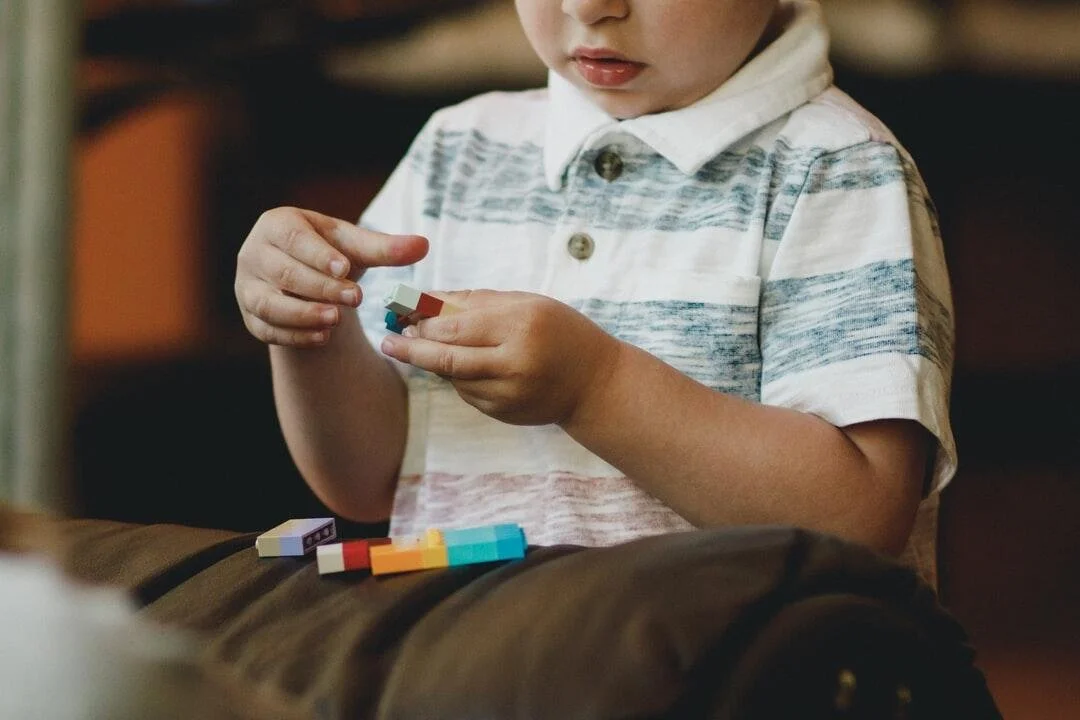
The earliest signs of autism in toddlers often appear well before age two, through limited eye contact, delayed speech, repetitive movements, or strong reactions to everyday sounds. Catching these symptoms early gives families a real head start on care that shapes their child's future.
A recent report from Autism Speaks highlights a growing early childhood health and development concern. Out of every nine autistic children, one isn't receiving the healthcare they need to improve their quality of life. This data indicates an urgent need to increase access to proper care.
Learning the early signs and seeking timely professional support replaces anxiety with the clear answers your family deserves.

Eating Disorders and Self-Harm in Teens: Warning Signs and When to Seek Help
Self-harm in teens and eating disorders are often spotted early through changes in eating habits, withdrawal from friends and family, sudden mood shifts, and a tendency to hide certain behaviors. Recognizing these warning signs early and connecting your teen with a child psychiatrist can make a real and lasting difference. Parents across the Virginia Beach, Chesapeake, and Hampton area can learn what to look for and where to turn for help.
According to the World Health Organization, eating disorders affect about 0.1% of children ages 10 to 14 and 0.4% of teens ages 15 to 19, with girls affected more often than boys. Many teens facing an eating disorder also struggle with anxiety, depression, or self-harm. These challenges can grow over time, which is why early support and care matter so much.
Many parents notice small changes before they realize something serious may be happening. A teen may skip meals, pull away from friends, seem more upset than usual, or try to keep certain behaviors hidden. Recognizing these early shifts can help you avoid medical issues related to eating disorders later.

How Do You Know When Your Child's Behavior Is More Than Just "Being a Kid"?
If your child's behavior consistently affects their schoolwork, friendships, or daily routine, it may be time to explore an ADHD evaluation. Children can be assessed as young as age 4, and early identification leads to meaningfully better outcomes at home and in the classroom. A thorough evaluation (not a single test) gives you the clearest picture of what your child needs.
Approximately 1 in 9 children in the United States has been diagnosed with ADHD, according to the Children and Adults with Attention-Deficit/Hyperactivity Disorder, yet many go years without answers while parents second-guess what they're seeing. You know your child. When the struggles show up at school, at home, and everywhere in between, that instinct deserves a real response.
This article walks you through the signs to watch for, what the evaluation process looks like, and practical steps you can take starting today.

When Should You Get Your Child Tested for ADHD?
If your child's behavior consistently affects their schoolwork, friendships, or daily routine, it may be time to explore an ADHD evaluation. Children can be assessed as young as age 4, and early identification leads to meaningfully better outcomes at home and in the classroom. A thorough evaluation (not a single test) gives you the clearest picture of what your child needs.
Approximately 1 in 9 children in the United States has been diagnosed with ADHD, according to the Children and Adults with Attention-Deficit/Hyperactivity Disorder, yet many go years without answers while parents second-guess what they're seeing. You know your child. When the struggles show up at school, at home, and everywhere in between, that instinct deserves a real response.
This article walks you through the signs to watch for, what the evaluation process looks like, and practical steps you can take starting today.

How Autism Affects Social Skills in Children and Teens
Autism affects social skills by changing how children and teens process everyday social information, such as reading body language, following conversation cues, and navigating unwritten social rules. These differences vary by individual and tend to become more visible as social expectations grow with age. With the right strategies in place, autistic youth can build genuine connections and develop real confidence over time.
According to the CDC, 1 in 31 children in the United States has been identified with autism spectrum disorder. Yet for many families, the social dimension of the diagnosis is where questions pile up the fastest. A child who avoids eye contact or withdraws from group conversations is often working far harder than anyone around them realizes.
This article breaks down what those challenges actually look like, how they ripple into other areas of a young person's life, and what evidence-based support can do to change the picture.

Why No Two Children With Autism Are the Same
No two children with autism are the same because autism is a spectrum. Differences in brain development, genetics, sensory processing, communication styles, and life experiences shape it. Each child shows a distinct mix of strengths and challenges, meaning their behaviors, needs, and abilities can vary widely.
Have you ever wondered why two children with autism can seem so different from one another? There is a wide range of traits and developmental paths each child follows. Knowing what shapes these differences leads to better care and life satisfaction.

Autism vs ADHD in Children: How to Tell the Difference
Understanding Autism vs ADHD in children can be challenging because both conditions may look similar at first. Autism often involves differences in social communication, repetitive behaviors, and strong preferences for routines, while ADHD is more closely tied to inattention, impulsivity, and hyperactivity.
According to the Centers for Disease Control and Prevention, about 1 in 31 children in the United States has been identified with autism spectrum disorder. Could your child's behavior be more than typical development? Let's look into how autism and ADHD compare, what sets them apart, and how to better recognize each one.